
Pick the category first
Decide what kind of item you are comparing. That tells you which details and photos should exist.
Enter a product name or neutral category. Your search opens the matching Findsindex product results in a new tab, ready for comparison.
Search results are provided by Findsindex and open in a new tab. Current product details belong to the destination page.
Choose a product shortcut, then open populated Findsindex search results in a new tab.
Daily footwear, boots, and shoe finds
View resultsBasics, graphics, polos, and everyday tops
View resultsFleece, sweatshirts, layers, and prints
View resultsOuterwear, seasonal layers, and coats
View resultsDenim, cargos, trousers, and bottoms
View resultsDaily carry, backpacks, totes, and travel
View resultsRunners, trainers, and sneaker finds
View resultsMechanical, quartz, and smart watches
View resultsRings, chains, bracelets, and small pieces
View resultsHats, belts, scarves, eyewear, and add-ons
View resultsAudio, smart devices, and compact tech
View resultsBrowse the complete Findsindex product catalog
View resultsThese are discovery shortcuts, not product recommendations. Check the external listing, photos, sizing, source context, price, and weight before saving a find. Read the category guide.
Findsindex catalog preview
Select a preview to open its corresponding product detail page on Findsindex.
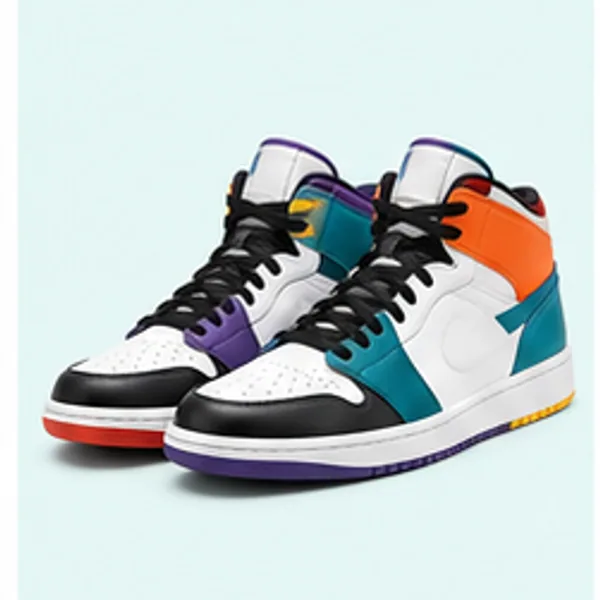 Basketball shoesMulticolor High-Top Basketball SneakersCheck current priceOpen product details
Findsindex
Basketball shoesMulticolor High-Top Basketball SneakersCheck current priceOpen product details
Findsindex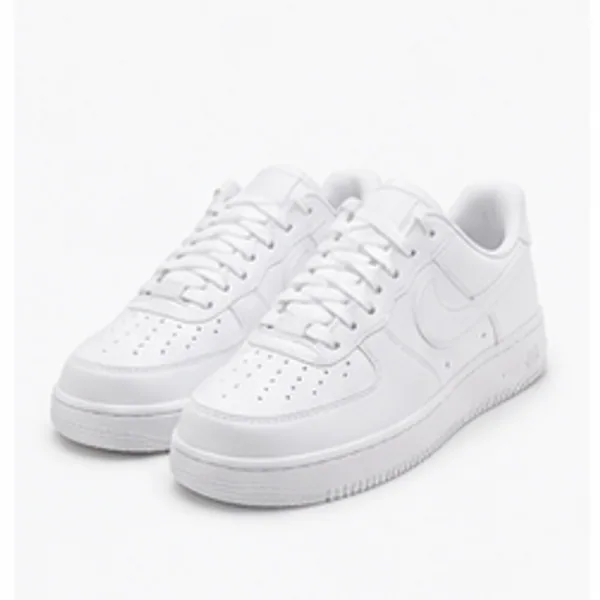 Casual shoesClassic White Low-Top SneakersCheck current priceOpen product details
Findsindex
Casual shoesClassic White Low-Top SneakersCheck current priceOpen product details
Findsindex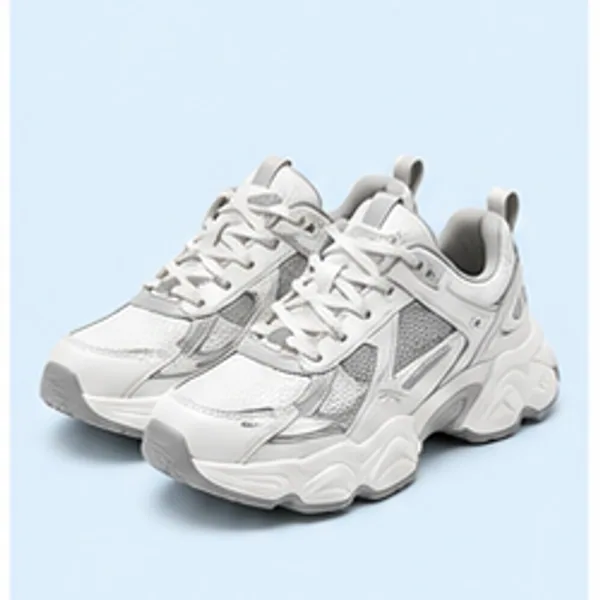 Chunky sneakersWhite Gray Mesh Chunky SneakersCheck current priceOpen product details
Findsindex
Chunky sneakersWhite Gray Mesh Chunky SneakersCheck current priceOpen product details
Findsindex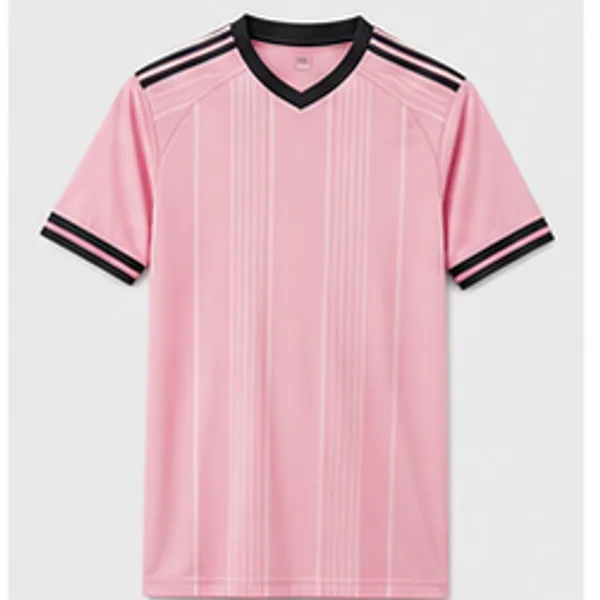 Football jerseyPink 2024 Third Football JerseyCheck current priceOpen product details
Findsindex
Football jerseyPink 2024 Third Football JerseyCheck current priceOpen product details
Findsindex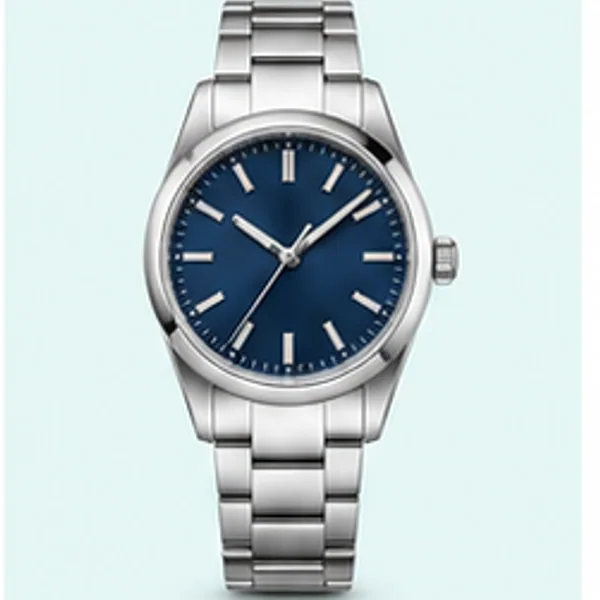 Mechanical watchBlue Dial Steel Mechanical WatchCheck current priceOpen product details
Findsindex
Mechanical watchBlue Dial Steel Mechanical WatchCheck current priceOpen product details
Findsindex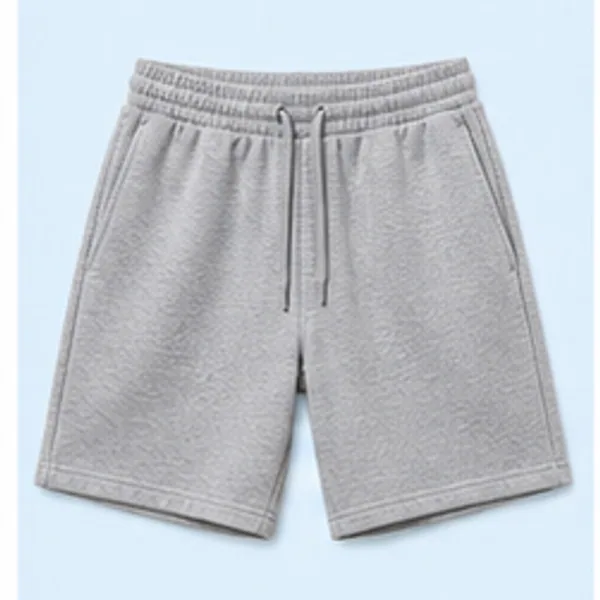 ShortsGray Fleece SweatshortsCheck current priceOpen product details
Findsindex
ShortsGray Fleece SweatshortsCheck current priceOpen product details
Findsindex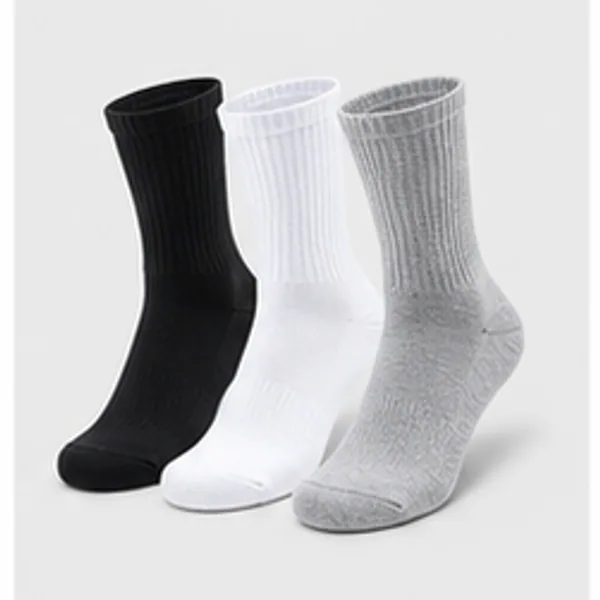 SocksCrew Socks Triple Pack Black White GrayCheck current priceOpen product details
Findsindex
SocksCrew Socks Triple Pack Black White GrayCheck current priceOpen product details
Findsindex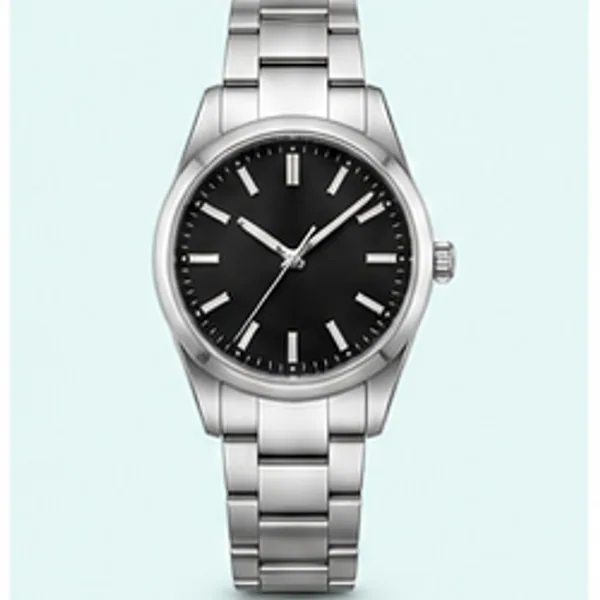 Sports watchBlack Dial Steel Sports WatchCheck current priceOpen product details
Findsindex
Sports watchBlack Dial Steel Sports WatchCheck current priceOpen product details
Findsindex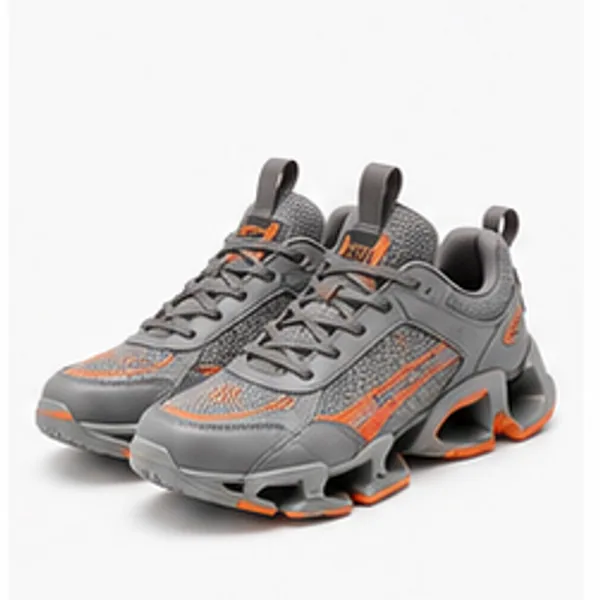 Futuristic shoesGray Orange Futuristic SneakersCheck current priceOpen product details
Findsindex
Futuristic shoesGray Orange Futuristic SneakersCheck current priceOpen product details
Findsindex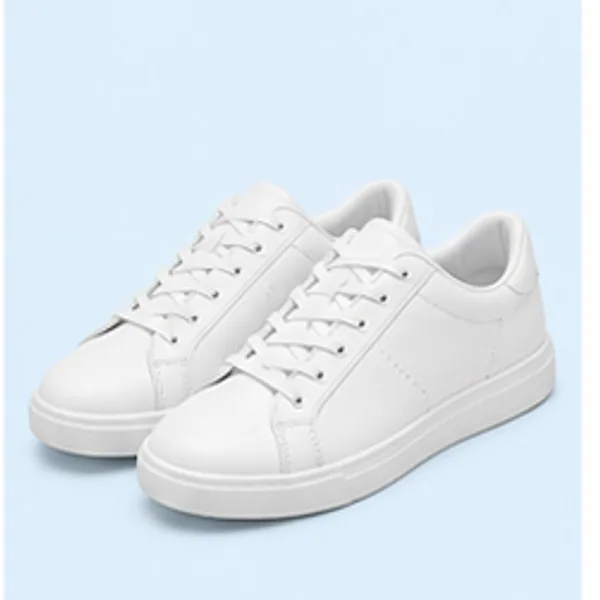 Casual shoesClean White Casual SneakersCheck current priceOpen product details
A Baohero spreadsheet is useful when it helps you move from a broad list of links to a smaller shortlist. Start with the category, check photos, sizing, price context, and shipping weight, then continue only with rows that still make sense.
Broad Baohero spreadsheet searches mix items that need completely different checks. A shoe row needs useful angles, a size reference and a sensible weight note. A bag row calls for scale, interior views and hardware detail. Comparing them in the same mental pile hides what is missing.
Category-first browsing gives you a fair comparison set. It becomes easier to see which rows have useful photos, which links still lead to the expected item and which entries rely on a vague label. A smaller, clearer shortlist saves more time than another page of links.
A clear category also gives every row the same first test. Compare shoes with shoes or bags with bags, then use the external result page to confirm the item, current photos, available options and other details that may have changed.
Treat every page as a way to remove uncertainty, not as permission to buy.
Decide what kind of item you are comparing. That tells you which details and photos should exist.
Judge two or three relevant rows together. An isolated price or image says less than a consistent comparison.
Keep a row when you can name the useful evidence. “Popular” and “looks good” are not enough.
The strongest Baohero sheets make comparison easier. They do not ask a catchy label to carry the whole decision.
Open the full seven-point checklist“Baohero spreadsheet” is a starting phrase. Better follow-up searches name what you still need to check.
Searches such as Baohero Yupoo, Baohero Taobao, Baohero Weidian or Baohero 1688 can help explain where an original or raw link leads. The marketplace name is context, not a quality signal.
When a row lacks useful photos, look for the specific angle or measurement you need. Images can answer visible questions, but they cannot confirm fit, materials or long-term condition.
Weight becomes useful after the item and packaging are clear. Treat calculator results as estimates, then use the relevant official service for current routes and charges.
Start with the problem slowing you down, apply the small method, and leave with a clear next action.
If you already know the category, open the matching Findsindex page. If you are still unsure, read the checklist first and keep the shortlist small.